
Medically reviewed by a licensed healthcare professional. Last updated March 2026.
Why Nutrition Matters More on GLP-1 Medications
GLP-1 medications like semaglutide (Wegovy, Ozempic) and tirzepatide (Zepbound, Mounjaro) significantly reduce appetite. Most people eat 20–40% fewer calories without trying [3]. That sounds like a win — and it is — but it creates a specific nutritional challenge.
- Protein is the single most important macronutrient on GLP-1 medications — aim for 60–100g daily to preserve muscle mass .
- Smaller, more frequent meals (4–5 per day) help manage reduced appetite and prevent nausea.
- Staying hydrated is critical — GLP-1 medications slow gastric emptying, increasing dehydration risk .
- Certain foods (greasy, fried, high-sugar) commonly trigger nausea and should be minimized during dose escalation.
When you're eating much less food, every bite matters more. If your reduced diet is heavy on processed carbs and light on protein, you risk losing muscle mass along with fat. Studies show that up to 40% of weight lost on GLP-1 medications can be lean muscle if protein intake is inadequate [1]. Losing muscle slows your metabolism, makes it harder to maintain weight loss long-term, and affects your strength and daily function.
The good news: with the right eating strategy, you can maximize fat loss, preserve muscle, and minimize the side effects that make the first few months rough.
Protein: Your Top Priority
Protein is non-negotiable on GLP-1 therapy. The American Society for Metabolic and Bariatric Surgery recommends at least 60–80 grams of protein per day for people on weight loss medications, with some experts suggesting up to 1 gram per pound of goal body weight [1].
High-Protein Foods That Work Well on GLP-1s
These foods are nutrient-dense, easy to digest, and less likely to trigger nausea:
- Eggs (6g protein each) — scrambled, hard-boiled, or in an omelet
- Greek yogurt (15–20g per cup) — choose plain, add berries
- Chicken breast (26g per 3 oz) — baked or grilled, not fried
- Fish and shrimp (20–25g per 3 oz) — lighter on the stomach than red meat
- Cottage cheese (14g per half cup) — high protein, easy to eat in small amounts
- Protein shakes (20–30g per serving) — useful when appetite is very low
- Lentils and beans (8–9g per half cup) — also high in fiber
- Tofu (10g per half cup) — versatile plant-based option
Protein Timing Strategy
Since you're eating less overall, spread protein across every meal and snack rather than trying to get it all at dinner:
- Breakfast: Greek yogurt with nuts or eggs (15–20g)
- Lunch: Chicken or fish with vegetables (25–30g)
- Afternoon snack: Cottage cheese or protein shake (15–20g)
- Dinner: Lean protein with whole grains and vegetables (25–30g)
Managing Nausea Through Food Choices
Nausea is the most common side effect of GLP-1 medications, especially during dose escalation [2]. What you eat — and how you eat — makes a significant difference.
Foods That Help Reduce Nausea
- Bland, starchy foods: Plain crackers, toast, rice, potatoes
- Ginger: Ginger tea, ginger chews, or fresh ginger in meals
- Cold foods: Sometimes better tolerated than hot foods (cold chicken salad vs. hot chicken)
- Broth-based soups: Easy to digest and help with hydration
- Bananas: Gentle on the stomach, provide potassium
Foods to Avoid or Minimize
These commonly worsen GLP-1 side effects:
- Fried and greasy foods — slow digestion further, increase nausea
- Large portions of red meat — heavy and slow to digest
- Sugary drinks and desserts — can spike blood sugar and worsen nausea
- Carbonated beverages — increase bloating and gas
- Spicy foods — irritate the GI tract, especially early in treatment
- High-fat dairy — cream-based sauces, full-fat cheese in large amounts
- Alcohol — increases nausea risk and adds empty calories (see our GLP-1 and alcohol guide)
The Eating Rhythm That Works
Instead of three large meals, shift to 4–5 smaller meals throughout the day. Stop eating when you feel satisfied — not full. On GLP-1 medications, the difference between "satisfied" and "too full" can hit fast, and overeating is the most common trigger for nausea and vomiting.
Eat slowly. Put your fork down between bites. This isn't just generic diet advice — it genuinely matters more when your stomach is emptying 30–50% slower than normal [2].
Hydration: More Important Than You Think
GLP-1 medications slow gastric emptying, which can reduce your natural thirst cues. Combined with the fact that you're eating less food (which normally provides 20% of daily water intake), dehydration becomes a real risk [4].
Daily targets:
- Women: 9+ cups (72 oz) of fluid per day
- Men: 13+ cups (104 oz) of fluid per day
- Increase by 2–3 cups if you exercise or live in a hot climate
Best hydration sources:
- Water (plain or infused with fruit/cucumber)
- Herbal tea
- Broth
- Water-rich foods (watermelon, cucumber, oranges)
Signs of dehydration to watch for: headaches, dizziness, constipation (already common on GLP-1s), dark urine, fatigue.
Vitamins and Supplements to Consider
Because you're eating less overall, certain nutrient deficiencies can develop over time [5]:
| Nutrient | Why It Matters | Food Sources | Supplement If Needed |
|---|---|---|---|
| Vitamin D | Supports bone health, immune function | Salmon, fortified milk, sunlight | 1,000–2,000 IU daily |
| Iron | Carries oxygen to muscles | Red meat, spinach, lentils | Only if blood test confirms deficiency |
| B12 | Energy metabolism, nerve function | Meat, eggs, dairy | Sublingual B12 or multivitamin |
| Calcium | Bone density (important with rapid weight loss) | Dairy, fortified plant milk, broccoli | 500–1,000mg if dietary intake is low |
| Fiber | Prevents constipation (common GLP-1 side effect) | Vegetables, beans, whole grains | Psyllium husk supplement if needed |
A daily multivitamin is reasonable insurance, but talk to your provider before adding individual supplements, especially iron.
Sample Day of Eating on GLP-1 Medications
Here's what a well-balanced day might look like at around 1,200–1,500 calories with 80+ grams of protein:
7:30 AM — Breakfast Two scrambled eggs with spinach and a slice of whole wheat toast. Black coffee or tea. (~20g protein)
10:30 AM — Snack Greek yogurt (plain) with a handful of blueberries and a tablespoon of chia seeds. (~17g protein)
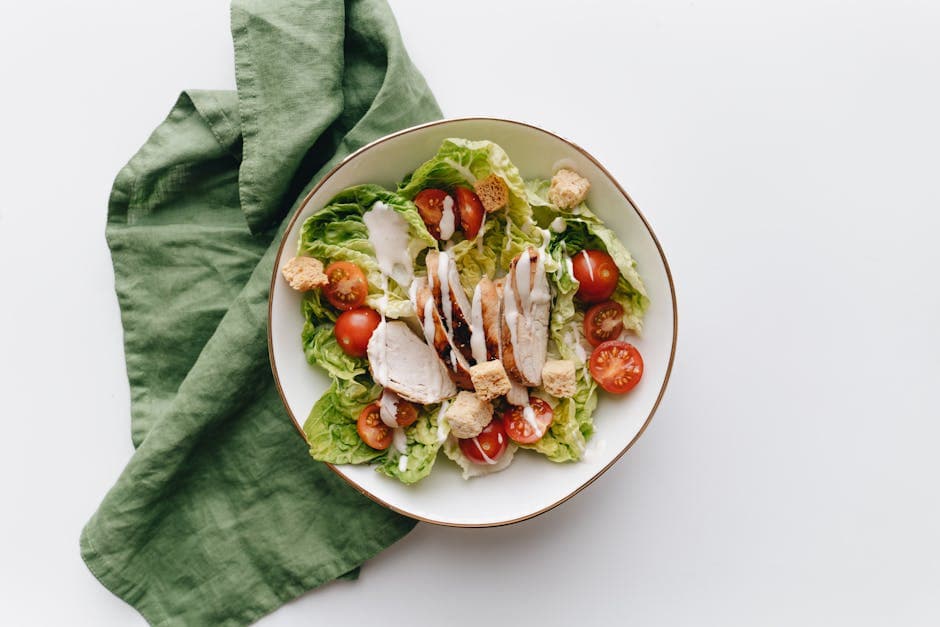
1:00 PM — Lunch Grilled chicken salad with mixed greens, cherry tomatoes, cucumber, avocado, and olive oil vinaigrette. (~28g protein)
4:00 PM — Snack Protein shake made with water or almond milk, or a half cup of cottage cheese with sliced peaches. (~20g protein)
6:30 PM — Dinner Baked salmon (3 oz) with roasted sweet potato and steamed broccoli. (~22g protein)
Total: ~107g protein, ~1,350 calories
Exercise and Nutrition Together
If you're exercising on GLP-1 medications — and you should be, for muscle preservation — adjust your nutrition accordingly. Have a protein-rich snack within 30 minutes of resistance training. This is when your muscles are most receptive to protein for repair and growth.
Even light strength training 2–3 times per week combined with adequate protein intake can dramatically reduce muscle loss during weight loss [1]. You don't need an intense gym routine — bodyweight exercises, resistance bands, or light dumbbells all count.
For more on weight loss expectations, check our GLP-1 weight loss calculator to see projected results based on your starting weight and medication.
Frequently Asked Questions
How many calories should I eat on GLP-1 medications?
Most people naturally settle into 1,000–1,500 calories per day without actively counting. Rather than fixating on calories, focus on hitting your protein target (60–100g) and eating nutrient-dense foods. If you're consistently eating under 1,000 calories, talk to your provider.
Can I drink alcohol on semaglutide or tirzepatide?
Alcohol is processed differently on GLP-1 medications. Many people report feeling the effects faster and with less alcohol. It also adds empty calories and can worsen nausea. If you choose to drink, do so in moderation and see our full guide on GLP-1 and alcohol.
Do I need protein shakes?
Not necessarily, but they're helpful when appetite is very low and eating solid food feels difficult — especially during dose escalation. Choose shakes with at least 20g protein and minimal added sugar.
What about intermittent fasting with GLP-1s?
Since GLP-1 medications already reduce appetite significantly, adding intermittent fasting can make it difficult to get adequate protein and nutrients. Most dietitians recommend eating small meals throughout the day rather than restricting eating windows further.
Ready to start your weight loss journey? Find a GLP-1 clinic near you and connect with a qualified provider today.
GLP-1 medications require a prescription and ongoing medical supervision. Always work with a licensed healthcare provider and verify that any telehealth platform or clinic uses board-certified clinicians and accredited pharmacies.
Sources
- Muscle Mass Preservation During GLP-1 Therapy — Obesity Reviews (2024)
- Semaglutide Side Effects and GI Motility — NEJM
- Appetite Reduction with GLP-1 Receptor Agonists — Diabetes Care
- Hydration and Weight Loss — Journal of Clinical Endocrinology
- Nutritional Considerations in Pharmacological Weight Management — Obesity Surgery
Medical Disclaimer: This content is for informational purposes only and does not constitute medical advice, diagnosis, or treatment. Individual results vary. Always consult a qualified healthcare provider before starting, stopping, or changing any medication. If you are experiencing a medical emergency, call 911.